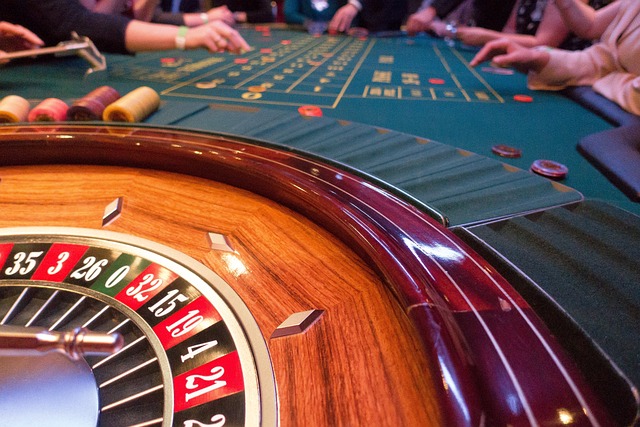
You walk into a casino. The slot machines blink. Cards shuffle. Dice roll. But before placing your first bet at 22Bet, you’re asked to press your thumb on a scanner. Why? To check your spending limit.
The Science of Fingerprint Control
Biometrics is the use of physical traits, like fingerprints, facial patterns, or iris scans, to identify a person. In casinos, fingerprint scans are gaining popularity as a way to track players and enforce betting limits. It’s happening now.
A Personal Appeal
Imagine you’re someone who loses track of time and money at the tables. You don’t even realize how much you’ve spent until your wallet is empty. Now, think how different it would be if your finger could act as a brake. That’s what biometric limits can do—help stop the slide before it begins.
Why This Tech Is Taking Off
Casinos and regulators are under pressure. Gambling addiction is a serious issue, and voluntary limits don’t always work. Fingerprint scans provide an automatic, no-excuses form of control. No override. No “just one more spin.”
Techie Details, Kept Simple
Here’s how it works. A player registers their fingerprint with the casino system. Then they choose a daily, weekly, or monthly spending cap. Each time they access a machine or table, their finger is scanned. If they’re under the limit, they play. If not, the system blocks access.
Global Tone: What’s the World Doing?
In Sweden and the Netherlands, trials have started. In Singapore, a few government-approved casinos use fingerprint checks to limit access for known problem gamblers. The U.K. is debating nationwide systems. Meanwhile, the U.S. is split. Some states love the idea. Others see it as too invasive.
Benefits Beyond Control
This isn’t just about limits. Fingerprint systems offer smoother check-ins, fraud prevention, and better player data. No more lost cards. No more typing in IDs. Just a fast scan and go.
Short, Choppy Style: The Positives
- No forgetting your set limit.
- No fake IDs.
- No more loopholes.
- Faster access.
- Personalized protections.
Switching Tone: The Doubters Speak
Not everyone’s clapping. Privacy advocates warn this could go too far. “What else will casinos collect?” they ask. What happens if the system gets hacked? If someone steals your fingerprint data, you can’t exactly grow a new thumb.
Casinos Aren’t Altruistic
Let’s be real. Casinos don’t always push tech out of kindness. They’re also doing this to avoid fines, lawsuits, and public backlash. If players are harmed and regulators see inaction, the fallout hurts business. So this system is also self-protection for the house.
A Story: One Man’s Journey
Tony, a 37-year-old from Brisbane, signed up for biometric limits after losing $12,000 in a year. “The system saved me from myself,” he says. He chose a weekly limit of $100. “It gave me time to think. The thumb scan became a pause button.” His losses dropped by 90% in six months.
Contrast Structure: The Before and After
Before: Players set voluntary limits but ignored them. Casinos “strongly advised” responsible gambling. But it was easy to slip.
After: Players must scan in. Systems flag problems. Timeouts kick in automatically. The whole process feels more real, more final.
Will This Be Mandatory?
It might. In some countries, lawmakers are considering biometric systems as a required feature for gambling venues. Especially in online betting, where traditional checks are weak, biometric tools could offer a solution.
What About Online Gambling?
Yep, this is going digital too. Some apps now require face scans before you can place a bet. If your face says you’re tired, upset, or acting out of the ordinary, the system can suggest a break. Wild? Maybe. But it’s being tested.
Ethical Dilemma or Responsible Progress?
This debate boils down to one question: Is this protection or surveillance? Supporters say it’s like a seatbelt. You might not like it, but it saves lives.
Who Controls the Data?
Casinos claim that data is encrypted and stored securely. But cybersecurity experts caution that no system is perfect. If biometric data leaks, it’s not like changing a password. You can’t erase your fingerprint.